

GUANGZHOU JIUYI CO., LTD. focuses on the production of plastic machinery and sales, specializing in film-blowing machines, printing machines, bag-making machines, plastic recycling machines, and other related plastic packaging equipment. We From 2010 year to now, In the industry of plastic packaging equipment for more than 10 years. Our products have been sold to more than 30 countries in the world, we have a professional production team and perfect after-sales service.
Rich Product Variety
Our company can produce plastic bag making machines, film blowing machines, printing machines, paper making machines, honeycomb rewinding machines, die-cutting recycling machines, paper bag making machines, etc.
Wide Range of Product Uses
Our film blowing machines are mainly used to produce various plastic films, such as films made of polyethylene (PE), polypropylene (PP), polyvinyl chloride (PVC) and other materials. While other products are widely used in plastics, papermaking and pharmaceutical industries.
Leading Service
We have many years of industry experience and a complete production management, quality supervision, sales service operation system. Whether you want to buy a film blowing machine or a printing machine, just send your requirements by email and we can customize the product for you.
Quality Guaranteed
All products of our company have obtained CE certificates, and we have 80+ patent certificates. We also have pre-sales technical consultation, operation transactions, software guidance and after-sales service.


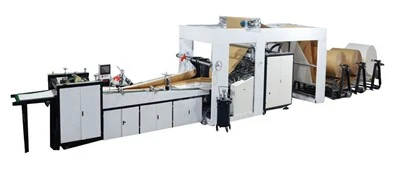
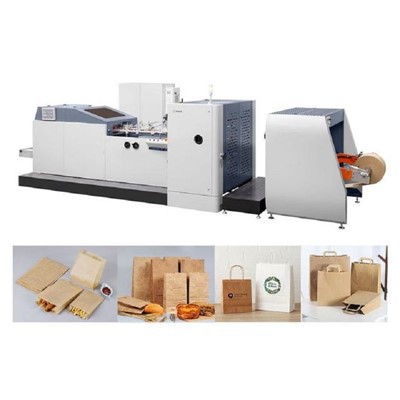


What is Paper Machine
A paper machine (or paper-making machine) is an industrial machine which is used in the pulp and paper industry to create paper in large quantities at high speed. Modern paper-making machines are based on the principles of the Fourdrinier Machine, which uses a moving woven mesh to create a continuous paper web by filtering out the fibres held in a paper stock and producing a continuously moving wet mat of fibre. This is dried in the machine to produce a strong paper web.
Features of Paper Machine
High Production Speed
Efficiency is a crucial factor in any manufacturing process, and paper bag making equipment excels in this aspect. These machines are designed to operate at high production speeds, enabling businesses to meet large-scale production demands.
Automated Production Process
One of the key features of Paper Machine is its automated production process. These machines are equipped with advanced technology and controls that enable them to perform tasks such as paper feeding, cutting, gluing, and folding automatically. This automation significantly improves the production efficiency, reducing the need for manual labor and increasing the output of high-quality paper bags.
Versatility and Customization
Paper Machine offers versatility and customization options. These machines can be adjusted to produce bags of various sizes, shapes, and designs. From simple grocery bags to elaborate gift bags, the equipment can cater to different customer requirements. This flexibility allows businesses to meet the diverse needs of their customers and expand their product offerings.
Parts of Paper Machine
Forming Section
It consists of a headbox, a breast roll, a forming net, a water suction box and a crouching roll. The headbox pulp distributor sprays the pulp sent by the flow system onto the forming net evenly, and the pulp speed should match the net speed. Controlling the pulp speed and the net speed is the main factor in selecting the headbox type. The fully enclosed hydraulic headbox adjusts the pulp speed by adjusting the pulp delivery pressure of the pulp pump, which is suitable for high-speed paper machines; the air cushion headbox adjusts the speed by adjusting the air cushion pressure, while the open high-level headbox adjusts the speed by adjusting the pulp level height in the box, which is suitable for medium-speed paper machines; the open compartment headbox is suitable for low-speed paper machines.
Pressing Section
The formed wet paper sheet is further dehydrated by pressurization. It consists of two rollers with hard and soft roller surfaces, such as stone rollers and rubber rollers, which are matched to form a group of presses. The pressing section consists of the same or different types of pressing groups, which usually also include vacuum suction devices. During pressing, the paper sheets are supported by a felt of appropriate specifications. It can evenly distribute the pressure and take away some of the water squeezed out by the pressing, and can also increase the pressure and improve the pressing dehydration capacity.
Drying Section
Several groups of drying cylinders are driven by gears or felt cloth as a group, and several groups of drying cylinders constitute the drying section. The linear speed of each group of drying cylinders can be adjusted separately, and a slight speed difference between each group of drying cylinders is maintained to compensate for the shrinkage of the paper sheets during the drying process. The dryness of the paper sheets leaving the drying section is generally around 92-94%. At the end of the drying section, a cold cylinder is generally provided so that water vapor can condense on the cold cylinder surface. Condensed water can moisten the surface of the paper sheets to facilitate better surface smoothness during finishing. The best effect is achieved when the diameter of the drying cylinder is 1.5m.
Transmission System
Connect the various parts of the paper machine to operate synchronously, so that the mechanical and electrical components are integrated. It consists of a mechanical speed reducer, a speed regulating and stabilizing device, a partial transmission device, etc., all of which use electricity as the power source.
White Water System
It is a system for recovering, treating and reusing the dewatering of the forming section of the paper machine. It includes equipment for collecting, conveying, filtering or settling white water, flotation, etc., to separate and recycle fibers and fillers, and the whole system for recycling clean white water in the papermaking process.
Auxiliary System
It consists of the electrical system, vacuum system, lubrication system, workshop steam supply and exhaust system, damaged paper processing, compressed air system, steam supply, water supply and drainage system, etc. that are matched with the paper machine.
How to Choose Paper Machine
Production Capacity
Investing in machinery with optimal production capacity is vital. Understand your production requirements and choose a machine that meets or exceeds those needs. This ensures seamless operations and prevents bottlenecks in your paper-making process.
Efficiency and Productivity
Enhancing efficiency and productivity is a primary goal. The machine should be efficient for your production goals. To meet this need, you should look for machines equipped with advanced technologies that streamline processes. Improved efficiency not only increases output but also reduces operational costs over time.
Quality and Precision
The quality and precision of your paper-making machine directly impact the final product. Choose a machine with advanced features that guarantee consistent quality, ensuring your paper meets industry standards and customer expectations.
Flexibility and Adaptability
In a dynamic market, the ability to adapt is crucial. Choose machines that offer flexibility in accommodating different paper grades and sizes. This adaptability ensures your operations remain versatile and can adjust to changing market demands.
Maintenance and Support
Regular maintenance is key to prolonging the life of your machine. Select a supplier that provides comprehensive maintenance support and quick access to spare parts. This minimizes downtime and keeps your production running smoothly.
Safety and Compliance
Ensuring safety and compliance with industry regulations is non-negotiable. Prioritize machines with built-in safety features and compliance certifications. This not only protects your workforce but also safeguards your business from legal issues.
Paper Grade
Understanding the specific requirements of the paper grade you intend to produce is essential. Different machines cater to different grades, so choose one that aligns with your intended paper quality and characteristics.
Speed of the Machine
Optimizing production speed is critical for meeting market demands. Choose a machine with adjustable speed settings to accommodate different production needs without compromising quality.
Working Principle of Paper Machine
Forming Section
Forming section, commonly called the wet end, is a continuous rotating wire mesh which removes water from the paper by sucking it out of suspension via vacuum.
Press Section
Press section, where the wet fibre web passes between large rolls loaded under high pressure to squeeze out as much water as possible.
Drying Section
Drying section, where the pressed sheet passes partly around, in a serpentine manner, a series of steam heated drying cylinders. Drying removes the water content down to a level of about 6%, where it will remain at typical indoor atmospheric conditions. Infra-red driers are also used to supplement cylinder drying where required.
Size Press Section
Size Press section, where the semi-dried paper is applied with a thin layer of starch and/ or other chemicals to improve several paper properties, reduce dusting and air permeability, increase stiffness, bursting strength and short span compression.
Calender Section
Calender section, where the dried paper is smoothened under high loading and pressure. Only one nip is necessary in order to hold the sheet, which shrinks through the drying section and is held in tension between the press section and the calender. Extra nips give more smoothing, but at some expense to paper strength. The calendar section can either be a part of the machine or in a separate part of the paper mill.
How to Maintain Paper Machine
Regular Cleaning
Keep the paper machine clean at all times. Remove any dust, debris, or build-up that may accumulate on the machine. This will prevent clogs and improve the performance of the machine.
Lubrication
Ensure that all moving parts of the paper machine are properly lubricated. This includes gears, bearings, and other components that require regular maintenance. Proper lubrication will reduce friction and wear and tear on the machine.
Replacement of Worn Parts
Regularly inspect the paper machine for worn or damaged parts. Replace any worn or damaged parts as soon as possible to prevent further damage to the machine.
Calibration
Ensure that the paper machine is properly calibrated. This includes adjusting the machine's settings to ensure that it is operating at optimal levels. Proper calibration will improve the quality of the paper produced by the machine.
Applications of Paper Machine
Printing and Writing Paper
One of the most common applications of paper machines is the production of printing and writing papers such as newspapers, magazines, books, office paper, and stationery. These papers require specific characteristics such as brightness, smoothness, and opacity.
Packaging Materials
Paper machines are also used to produce packaging materials like corrugated boxes, cartons, bags, and envelopes. These materials are used to package a variety of products, from food and beverages to electronics and household goods.
Specialty Papers
Specialized paper machines are designed to produce specialty papers with unique properties for specific uses. This includes tissue paper, filter paper, photographic paper, thermal paper, and industrial papers like insulation paper and electrical paper.
Tissue and Hygiene Products
Paper machines are used in the production of tissue paper, including toilet paper, facial tissues, and napkins. They are also used to manufacture hygiene products like diapers and feminine hygiene products.
Frequently Asked Questions
We're professional paper machine manufacturers and suppliers in China, specialized in providing high quality customized service. We warmly welcome you to buy high-grade paper machine from our factory. Contact us for quotation.
paper cutter for sale, hydraulic paper plate machine, paper cup plate making machine price