


Bottom Sealing Machine
A Bottom Sealing Machine is a packaging equipment used in the production of bags and pouches. Its primary function is to create a seal at the bottom of the packaging material, which is usually flexible plastic film, laminate, or composite materials. The sealing process involves heating and pressing the material to form a strong bond that creates a seal that can contain solid or liquid products.
Description
GUANGZHOU JIUYI CO., LTD. focuses on the production of plastic machinery and sales, specializing in film-blowing machines, printing machines, bag-making machines, plastic recycling machines, and other related plastic packaging equipment. We From 2010 year to now, In the industry of plastic packaging equipment for more than 10 years. Our products have been sold to more than 30 countries in the world, we have a professional production team and perfect after-sales service.
Rich Product Variety
Our company can produce plastic bag making machines, film blowing machines, printing machines, paper making machines, honeycomb rewinding machines, die-cutting recycling machines, paper bag making machines, etc.
Wide Range of Product Uses
Our film blowing machines are mainly used to produce various plastic films, such as films made of polyethylene (PE), polypropylene (PP), polyvinyl chloride (PVC) and other materials. While other products are widely used in plastics, papermaking and pharmaceutical industries.
Leading Service
We have many years of industry experience and a complete production management, quality supervision, sales service operation system. Whether you want to buy a film blowing machine or a printing machine, just send your requirements by email and we can customize the product for you.
Quality Guaranteed
All products of our company have obtained CE certificates, and we have 80+ patent certificates. We also have pre-sales technical consultation, operation transactions, software guidance and after-sales service.

A Folding and Melting Machine, often referred to as a Pouch Making Machine or Laminating Machine in the packaging industry, is a specialized type of equipment designed for producing sealed bags and pouches from various materials. The machine combines both folding and sealing processes to create a finished product ready for packaging contents such as food, chemicals, pharmaceuticals, or other products.

A Diaper Bag Making Machine is a sophisticated piece of industrial machinery designed to automate the production of diaper bags. It performs multiple operations, including cutting, sewing, printing, and assembling, to create bags that are convenient for carrying diapers, wipes, and other baby essentials.

Air Bubble Film And EPE Bag Making Machine
An Air Bubble Film and EPE Bag Making Machine is a type of packaging equipment designed to manufacture cushioning materials such as air bubble film (bubble wrap) and expanded polyethylene (EPE) foam bags. These materials are widely used for protecting products during storage and transportation due to their excellent shock absorption and cushioning properties.

A Flower Bag Making Machine is a specialized piece of equipment designed to produce bags specifically for holding and transporting fresh flowers. These machines are commonly used in floriculture industries to create bags that protect the flowers during transit and display, ensuring they remain fresh and appealing to customers.

Four Lines Bottom Sealing Bag Making Machine
A Four Lines Bottom Sealing Bag Making Machine is an automated packaging system that produces bags with sealed bottoms.This type of machine is designed to handle a continuous flow of material, typically plastic film, which is fed through the system to be cut, sealed, and formed into bags.
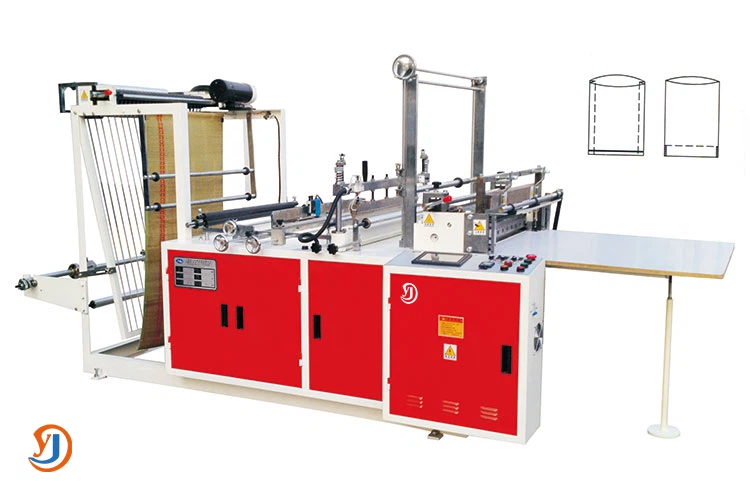
Bottom Sealing Bag Making Machine
A Bottom Sealing Bag Making Machine is an automated packaging system that produces bags with sealed bottoms. This type of machine is designed to handle a continuous flow of material, typically plastic film, which is fed through the system to be cut, sealed, and formed into bags.

A Sandwich Folding Machine is a piece of equipment used in the packaging industry to fold flat materials into a sandwich-style configuration. This type of machine is often employed for creating bags, envelopes, pouches, or other similar packaging items.

A Multifunction Folding Machine is an industrial device that combines the capabilities of various folding processes into one unit. Such machines are engineered to perform multiple tasks related to the folding of different types of materials, including paper, cardboard, plastic films, and more. They are designed to increase productivity, reduce setup times, and offer flexibility in handling diverse folding projects.

A Plastic Cross Cutting Machine is a specialized industrial machine designed for cutting plastic materials into precise crosswise sections. This type of machine is commonly utilized in the plastics manufacturing and processing industries for cutting films, sheets, rods, tubes, and profiles into desired lengths.
What is Bottom Sealing Machine
A Bottom Sealing Machine is a packaging equipment used in the production of bags and pouches. Its primary function is to create a seal at the bottom of the packaging material, which is usually flexible plastic film, laminate, or composite materials. The sealing process involves heating and pressing the material to form a strong bond that creates a seal that can contain solid or liquid products.
Features of Bottom Sealing Machine
Enhanced Efficiency
One of the primary advantages of Bottom Sealing Machine is the significant boost they provide to manufacturing efficiency. These machines are designed to streamline the packaging process by automating it. When compared to manual or semi-automated sealing methods, bottom sealing machines can handle a high volume of products in a shorter time frame. They consistently produce neat and uniform seals, reducing the risk of errors and minimizing the need for rework. This increase in efficiency ultimately leads to higher productivity and cost savings for businesses.
Improved Productivity
Bottom Sealing Machine is known for their ability to enhance overall productivity. They can work continuously without fatigue, ensuring a consistent output. Moreover, they can operate around the clock, which is especially beneficial for industries with continuous production schedules.
Precision and Quality
When it comes to packaging, the quality and precision of seals are of utmost importance. Bottom Sealing Machine is engineered to deliver impeccable results. Their automated operation guarantees consistent and secure seals, reducing the likelihood of leaks, contamination, or damage to products.
Versatility
Bottom Sealing Machine is highly versatile and adaptable to various packaging needs. They can seal a wide range of materials, including polyethylene, polypropylene, cellophane, and laminates, among others.Additionally, these machines can be adjusted to accommodate different bag sizes and styles, making them suitable for a variety of products. This versatility is an advantage for businesses that handle diverse product lines and require different packaging solutions.
Types of Bottom Sealing Machine
Thermoforming Machines
These machines are used for packaging products that require more rigid or structured packaging. They heat a sheet of plastic, vacuum form it around a mold, cool it to set the shape, and then seal the bottom of the formed package.
Rotary Wheel Machines
Rotary wheel machines are suitable for high-speed packaging applications. They use rotating wheels to form and seal the bags, which allows for continuous production and high output.
Impulse Sealers
Impulse sealers are simple machines that use an electrical current to heat and seal the film. They are typically used for small-scale operations or when only intermittent sealing is required.
Automatic Bottom Sealing Machines
Automatic machines are equipped with sensors and controls that manage the entire sealing process. They are ideal for high-volume production and offer consistency and precision in sealing.
Semi-Automatic Bottom Sealing Machines
Semi-automatic machines require manual intervention for certain tasks, such as loading the film or feeding the product into the bag. They are a good choice for businesses with varying production volumes.
Manual Bottom Sealing Machines
These are basic machines that require the operator to perform all tasks manually. They are suitable for low-volume packaging or when a high level of customization is needed.
How to Choose Bottom Sealing Machine
Select the Right Material
Determine what kind of packaging material you will use (e.g., plastic film, foil, paper). Make sure the machine can handle the material's thickness and properties.
Consider Bag Specifications
Decide on the size, shape, and features of the bags you want to produce (e.g., stand-up pouches, spouted pouches, zipper reclosure). Some machines are more adaptable to custom bag designs than others.
Evaluate Speed and Efficiency
Look at the sealing speed and overall cycle time of the machines you're considering. Faster machines can increase productivity, but they may also come with a higher price tag.
Space Availability
Measure the available space in your facility and choose a machine that fits within those dimensions. Also, consider if there's room for future expansion.
Ease of Use and Maintenance
Opt for a machine that is user-friendly, with straightforward controls and clear instructions. Additionally, check the availability of maintenance services and replacement parts.
Safety Features
Ensure the machine has appropriate safety features to protect operators from injury. Look for emergency stop buttons, protective guards, and other safety devices.
How to Maintain Bottom Sealing Machine
Regular Cleaning
Clean the machine regularly to remove dust, debris, and residual materials that can affect its operation. Use appropriate cleaning tools and methods recommended by the manufacturer.
Inspect and Replace Parts
Regularly inspect the machine for any worn-out or damaged parts such as sealing bars, blades, or heating elements. Replace these parts promptly to prevent operational issues.
Lubrication
Lubricate moving parts according to the manufacturer's instructions to reduce friction and wear. Use the recommended lubricants to avoid damaging the machine.
Calibration
Periodically calibrate the machine to ensure accurate sealing and cutting. This is crucial for maintaining consistent product quality and minimizing material waste.
Temperature Control
Monitor and adjust the sealing temperature as needed. Incorrect temperatures can lead to poor seals or damage to packaging materials.
Safety Checks
Regularly check safety features such as emergency stops and protective guards to ensure they are functioning correctly.
Applications of Bottom Sealing Machine
Food Industry
For packaging snacks, confectionery, baked goods, dried fruits, coffee, tea, pet food, and other perishable items. Bottom sealing machines ensure freshness by providing an airtight seal.
Pharmaceutical Industry
Used for packaging pills, capsules, medical supplies, and other health care products that require hygiene and child-resistant features.
Freeze-Dried and Dehydrated Foods
Bottom sealing machines are used to create bags for freeze-dried meals, camping rations, and dehydrated foods that must be kept dry and fresh until use.
Frequently Asked Questions
Hot Tags: bottom sealing machine, China bottom sealing machine manufacturers, suppliers, factory, tonva blow molding machine, semi injection moulding machine, pp non woven bag making machine, pvc manufacturing machine, disposable spoon making machine, pvc shredder
Send Inquiry
You Might Also Like


