

What is the energy - saving performance of a plastic bag making machine?
Leave a message

In today's industrial landscape, energy efficiency is not just a buzzword; it's a crucial factor that can significantly impact a business's bottom line and environmental footprint. As a leading supplier of plastic bag making machines, I understand the importance of energy-saving performance in these machines. In this blog, I'll delve into what energy-saving performance means for plastic bag making machines, how it's achieved, and why it matters to you as a potential buyer.
Understanding Energy Consumption in Plastic Bag Making Machines
Before we discuss energy-saving performance, it's essential to understand where energy is consumed in a plastic bag making machine. These machines typically have several energy-intensive components, including motors for driving the conveyor belts, sealing mechanisms, and cutting tools. Additionally, heating elements are used to seal the plastic bags, which can consume a substantial amount of electricity.
The energy consumption of a plastic bag making machine can vary widely depending on its size, type, and production capacity. For example, a high-speed, large-capacity machine will generally consume more energy than a smaller, slower one. However, the energy-saving features implemented in the machine can make a significant difference in its overall energy efficiency.
Key Factors Affecting Energy-Saving Performance
1. Motor Efficiency
The motors used in plastic bag making machines are one of the primary sources of energy consumption. High-efficiency motors are designed to convert a higher percentage of electrical energy into mechanical energy, reducing energy waste. These motors often use advanced technologies such as variable frequency drives (VFDs) to adjust the motor speed according to the machine's load. By matching the motor speed to the actual demand, VFDs can significantly reduce energy consumption, especially during periods of low production.
2. Heating System Design
The heating system in a plastic bag making machine is another critical factor in energy consumption. Efficient heating elements and insulation can help minimize heat loss and ensure that the energy is used effectively to seal the plastic bags. Some modern machines use advanced heating technologies, such as induction heating, which can heat the plastic more quickly and evenly, reducing the overall energy required for the sealing process.
3. Machine Design and Automation
Well-designed plastic bag making machines are optimized for energy efficiency. They are built with streamlined components and reduced friction, which requires less energy to operate. Additionally, automation features can help optimize the production process, reducing the need for manual intervention and minimizing energy waste. For example, automated feeding and cutting systems can ensure that the plastic film is used efficiently, reducing scrap and saving energy.
Energy-Saving Features in Our Plastic Bag Making Machines
As a supplier of plastic bag making machines, we are committed to providing our customers with energy-efficient solutions. Our machines are equipped with a range of energy-saving features that help reduce operating costs and environmental impact.
1. Taurus X Impulse Seal Flying Knife Bag Making Machine
The Taurus X Impulse Seal Flying Knife Bag Making Machine is one of our flagship products. It features a high-efficiency motor with a VFD, which allows for precise control of the motor speed and reduces energy consumption. The impulse seal technology used in this machine requires less energy compared to traditional continuous seal methods, as it only heats the sealing area when necessary. Additionally, the flying knife cutting system is designed to minimize waste, further improving energy efficiency.
2. Side Sealing Bag Making Machine
Our Side Sealing Bag Making Machine is another energy-efficient option. It uses a well-insulated heating system to minimize heat loss and ensure that the energy is used effectively for side sealing. The machine is also equipped with an automated feeding system that can adjust the feeding speed according to the production requirements, reducing energy waste.
3. Bottom Sealing Bag Making Machine
The Bottom Sealing Bag Making Machine is designed with energy-saving in mind. It features a high-performance motor and a precision heating system that can seal the bottom of the bags with minimal energy consumption. The machine's automation features, such as automatic bag length adjustment and counting, help optimize the production process and reduce energy waste.
Benefits of Energy-Saving Plastic Bag Making Machines
1. Cost Savings
One of the most significant benefits of energy-saving plastic bag making machines is the cost savings. By reducing energy consumption, these machines can lower your electricity bills, resulting in significant long-term savings. Additionally, the reduced energy consumption can also lead to lower maintenance costs, as the components of the machine are subjected to less stress and wear.
2. Environmental Sustainability
In today's environmentally conscious world, using energy-efficient machines is not only good for your business but also for the planet. By reducing energy consumption, you can minimize your carbon footprint and contribute to a more sustainable future. Our energy-saving plastic bag making machines are designed to meet the highest environmental standards, helping you reduce your impact on the environment.

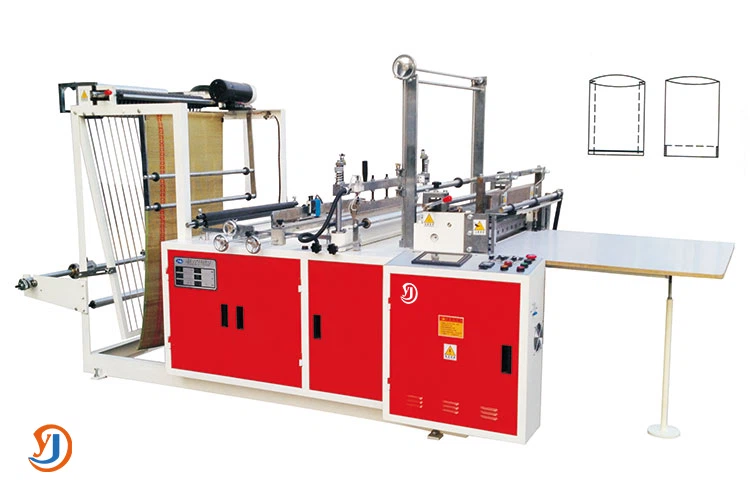
3. Competitive Advantage
Investing in energy-saving plastic bag making machines can give you a competitive edge in the market. Customers are increasingly looking for environmentally friendly and cost-effective solutions, and by offering products that are produced using energy-efficient machines, you can differentiate yourself from your competitors and attract more customers.
How to Choose an Energy-Saving Plastic Bag Making Machine
When choosing a plastic bag making machine, it's essential to consider its energy-saving performance. Here are some tips to help you make an informed decision:
1. Look for Energy-Efficient Features
Check the machine's specifications to see if it has energy-saving features such as high-efficiency motors, advanced heating systems, and automation features. These features can significantly improve the machine's energy efficiency and reduce your operating costs.
2. Consider the Machine's Size and Capacity
Choose a machine that is appropriately sized for your production needs. A machine that is too large for your requirements will consume more energy than necessary, while a machine that is too small may not be able to meet your production demands.
3. Evaluate the Manufacturer's Reputation
Choose a reputable manufacturer that has a proven track record of producing energy-efficient machines. Look for customer reviews and testimonials to get an idea of the manufacturer's quality and reliability.
Conclusion
Energy-saving performance is a crucial factor to consider when choosing a plastic bag making machine. By investing in an energy-efficient machine, you can save money, reduce your environmental impact, and gain a competitive advantage in the market. As a leading supplier of plastic bag making machines, we are committed to providing our customers with high-quality, energy-efficient solutions. If you're interested in learning more about our plastic bag making machines or have any questions about energy-saving performance, please don't hesitate to contact us. We look forward to discussing your requirements and helping you find the perfect machine for your business.
References
- ASHRAE Handbook - HVAC Systems and Equipment. American Society of Heating, Refrigerating and Air-Conditioning Engineers.
- International Energy Agency (IEA). Energy Efficiency Policies and Measures for Industry.
- Motor Systems Matter. A guide to improving energy efficiency in motor-driven systems. United Nations Industrial Development Organization (UNIDO).


