

How to test a new diaper bag making machine?
Leave a message

Hey there! I'm a supplier of diaper bag making machines, and I know how crucial it is to ensure that these machines are working at their best. Testing a new diaper bag making machine is no small feat, but with the right approach, you can make sure it meets all your production needs. In this blog, I'll walk you through the steps to test a new diaper bag making machine effectively.
Pre - test Preparations
Before you even start the machine, there are a few things you need to do. First off, check the machine thoroughly for any visible damages or loose parts. Look at the frame, the conveyor belts, and all the mechanical components. A loose bolt or a cracked part can cause major problems during operation.
Next, gather all the necessary materials. You'll need the raw materials for making diaper bags, such as the fabric, zippers, and any other accessories. Make sure the quality of these materials is up to par, as poor - quality materials can give inaccurate test results.
Also, have a clear understanding of the machine's specifications. Know the maximum production speed, the types of diaper bags it can make, and the dimensions it can handle. This information will help you set the right parameters during testing.
Electrical and Mechanical Checks
Let's start with the electrical system. Check all the wiring connections to ensure they are secure. Loose wiring can lead to short - circuits or malfunctions. Plug in the machine and turn on the power switch. Listen for any unusual noises coming from the electrical components. If you hear a buzzing or crackling sound, it could be a sign of an electrical problem.
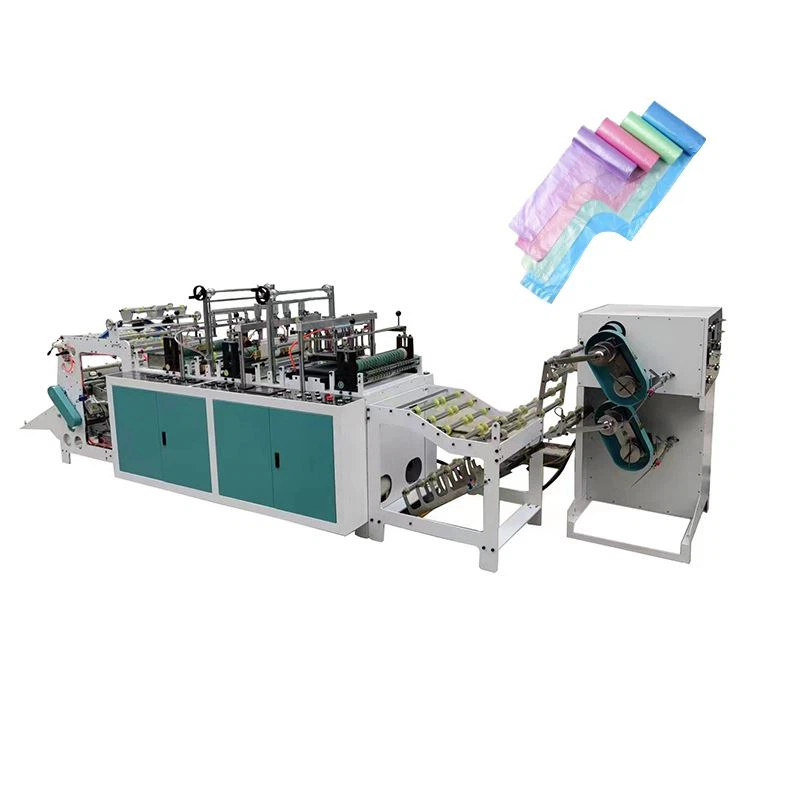

Now, for the mechanical part. Lubricate all the moving parts as per the manufacturer's instructions. This will reduce friction and prevent premature wear and tear. Rotate the belts and gears by hand to make sure they move smoothly. Any resistance could indicate a problem with the alignment or a jammed part.
Initial Machine Start - up
Once you've completed the pre - checks, it's time to start the machine. Start it at a low speed. This allows you to observe the machine's operation closely without risking major damage. Watch how the fabric is fed into the machine. It should move evenly through the different stations. If the fabric is bunching up or getting stuck, there might be an issue with the feeding mechanism.
Check the cutting function. The machine should cut the fabric cleanly and accurately to the specified dimensions. Any jagged edges or uneven cuts could mean that the cutting blade needs adjustment or replacement.
Testing the Bag - Making Process
Now, let's focus on the actual bag - making process. Set the machine to make a simple diaper bag design. Monitor how the machine attaches the zippers. You can check out the Zipper Bag Making Machine for more insights on zipper attachment in bag - making. The zippers should be attached firmly and smoothly. If they are coming loose or are misaligned, you'll need to adjust the zipper - attaching mechanism.
Look at how the seams are formed. The seams should be strong and uniform. Weak seams can lead to the bags falling apart during use. If you notice any issues with the seams, it could be due to incorrect stitching settings or a problem with the sewing needles.
Speed and Efficiency Testing
After the initial testing at low speed, gradually increase the machine's speed. Observe how the machine performs at different speeds. At higher speeds, the machine should still maintain the same level of accuracy in cutting, sewing, and attaching accessories.
Measure the production output over a set period. Compare the actual output with the machine's specified production speed. If the actual output is significantly lower, there could be bottlenecks in the production process, such as slow feeding or inefficient sewing operations.
Quality Control Checks
Throughout the testing process, conduct regular quality control checks. Take random samples of the diaper bags produced and inspect them closely. Check for any defects, such as holes, loose threads, or misaligned parts.
Use measuring tools to ensure that the bags meet the required dimensions. Even a small deviation in size can affect the functionality and marketability of the diaper bags.
Long - term Testing
Testing a machine for a short period might not reveal all the potential problems. Run the machine continuously for a longer period, say 8 - 10 hours. This will help you identify any issues that might occur due to overheating or long - term wear.
During this long - term test, monitor the machine's performance closely. Check the temperature of the motors and other components regularly. Overheating can cause damage to the electrical and mechanical parts.
Testing with Different Materials and Designs
To ensure the machine's versatility, test it with different types of materials and diaper bag designs. Try using different fabrics, such as cotton, polyester, or a blend. Each material may require different settings on the machine, so adjust the parameters accordingly.
Also, test the machine with various diaper bag designs, including those with different shapes, sizes, and additional features. For example, you can test a double - compartment diaper bag or a diaper bag with a built - in changing pad. You can get some inspiration from the capabilities of the Double Line Bag On Roll Making Machine which shows the flexibility in bag - making.
Safety Testing
Safety is of utmost importance when operating any machine. Test all the safety features of the diaper bag making machine. Check the emergency stop button to make sure it works immediately when pressed. The machine should come to a complete halt within seconds.
Inspect the safety guards to ensure they are properly installed and in good condition. These guards protect the operators from moving parts and prevent accidents.
Post - test Evaluation
Once you've completed all the tests, it's time to evaluate the machine's performance. Make a list of all the issues you encountered during testing. Prioritize the problems based on their severity.
If there are minor issues, such as a need for minor adjustments, you can usually fix them on your own. However, for major problems, you may need to contact the manufacturer's technical support team.
Conclusion
Testing a new diaper bag making machine is a comprehensive process that involves multiple steps, from pre - test preparations to post - test evaluation. By following these steps, you can ensure that the machine is in good working condition and meets your production requirements.
If you're in the market for a high - quality diaper bag making machine or have any questions about the testing process, don't hesitate to reach out. We're here to help you make the best choice for your business. Whether you're a small - scale producer or a large - scale manufacturer, we can provide the right machine for your needs. So, let's start a conversation and see how we can work together to take your diaper bag production to the next level.
References
- General knowledge of diaper bag making machine operations
- Manufacturer's manuals for diaper bag making machines


