

How to select the appropriate raw materials for a bottom sealing bag making machine?
Leave a message

Selecting the appropriate raw materials for a bottom sealing bag making machine is a crucial step that significantly impacts the quality, functionality, and cost - effectiveness of the final product. As a supplier of bottom sealing bag making machines, I understand the intricacies involved in this process and am here to share some valuable insights.
Understanding the Types of Bottom Sealing Bag Making Machines
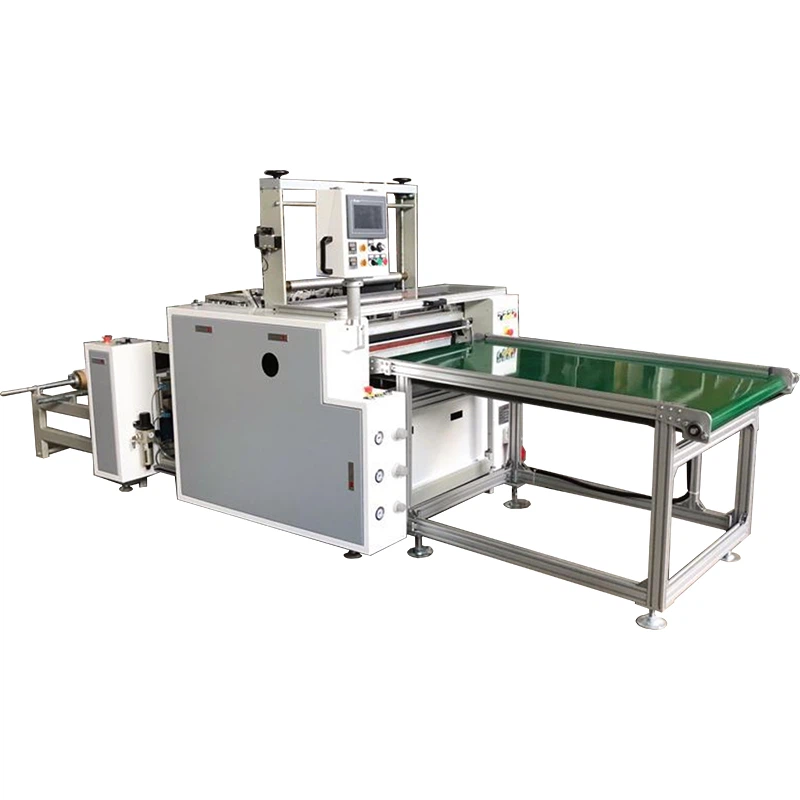
Before delving into raw material selection, it's essential to have a basic understanding of different bottom sealing bag making machines. We offer a range of machines, such as the Twin Servo Heat Seal Cutting Machine, which is known for its high - precision cutting and sealing capabilities. The Diaper Bag Making Machine is specifically designed to produce bags for diapers, requiring materials with specific properties. And the Impulse Seal Flying Knife Bag Making Machine is ideal for creating bags with clean and sharp seals.
Factors Influencing Raw Material Selection
1. Bag Purpose
The intended use of the bag is one of the primary factors in raw material selection. For example, if the bags are for food packaging, the raw materials must meet strict food - grade safety standards. Materials like polyethylene terephthalate (PET) and high - density polyethylene (HDPE) are commonly used for food - grade bags due to their non - toxic and odorless properties. On the other hand, if the bags are for industrial use, such as packaging chemicals or heavy items, materials with high strength and durability, like polypropylene (PP), may be more suitable.
2. Bag Thickness
The required thickness of the bag depends on its application. Thicker bags are generally more robust and can withstand more stress. For light - duty applications like packaging small items or clothing, a thinner material, such as low - density polyethylene (LDPE) with a thickness of around 0.01 - 0.03 mm, may be sufficient. However, for heavy - duty applications, materials with a thickness of 0.05 - 0.1 mm or more, like HDPE or PP, are necessary.
3. Sealability
The ability of the raw material to form a strong and reliable seal is critical. Different materials have different sealing characteristics. For instance, LDPE has excellent heat - sealing properties, making it easy to seal using a bottom sealing bag making machine. PET, while having good mechanical properties, may require special sealing techniques or additives to achieve a strong seal. It's important to choose a material that is compatible with the sealing mechanism of the machine to ensure consistent and high - quality seals.
4. Cost
Cost is always a significant consideration in any manufacturing process. While high - quality materials may offer better performance, they also come at a higher price. It's necessary to strike a balance between cost and quality. For example, if the application allows, using recycled materials can be a cost - effective option. Recycled polyethylene can be used for non - critical applications, reducing the overall production cost without sacrificing too much on quality.

Common Raw Materials for Bottom Sealing Bags
1. Polyethylene (PE)
Polyethylene is one of the most widely used materials for bottom sealing bags. It comes in different forms, including LDPE, HDPE, and linear low - density polyethylene (LLDPE). LDPE is flexible, transparent, and has good heat - sealing properties, making it suitable for a variety of applications, such as packaging of consumer goods. HDPE is stronger and more rigid, often used for heavy - duty bags. LLDPE combines the advantages of both LDPE and HDPE, offering high flexibility and strength.
2. Polypropylene (PP)
PP is known for its high tensile strength, stiffness, and resistance to chemicals. It is commonly used for making bags that require a high level of durability, such as industrial packaging bags. PP also has good clarity, making it suitable for applications where product visibility is important.
3. Polyethylene Terephthalate (PET)
PET is a strong and transparent material with excellent barrier properties against oxygen, moisture, and UV light. It is often used for food and beverage packaging, as well as for luxury product packaging. However, as mentioned earlier, special sealing techniques may be required to ensure a proper seal.
Testing and Quality Control
Once you have selected a potential raw material, it's crucial to conduct thorough testing before full - scale production. Testing can include evaluating the material's seal strength, tear resistance, and thickness uniformity. You can use laboratory equipment to measure these properties accurately. Quality control should be an ongoing process during production to ensure that the bags meet the required standards. Any deviation in the raw material quality can lead to production issues, such as weak seals or inconsistent bag dimensions.
Working with a Reliable Supplier
As a bottom sealing bag making machine supplier, I recommend working with a reliable raw material supplier. A good supplier can provide high - quality materials, offer technical support, and ensure a stable supply. They can also assist in selecting the most appropriate raw material based on your specific requirements. When choosing a supplier, consider their reputation, experience in the industry, and the quality of their products.
Conclusion
Selecting the appropriate raw materials for a bottom sealing bag making machine is a complex but essential process. By considering factors such as bag purpose, thickness, sealability, and cost, and by choosing the right materials from common options like polyethylene, polypropylene, and polyethylene terephthalate, you can produce high - quality bags that meet your customers' needs. Remember to conduct thorough testing and work with a reliable raw material supplier.
If you are interested in our bottom sealing bag making machines or need more information on raw material selection for your bag - making process, we invite you to contact us for procurement discussions. We are committed to providing you with the best solutions and support to help you succeed in your bag - making business.
References
- "Plastic Packaging Materials: Properties and Performance" by Christopher R. Crawford
- "Handbook of Thermoplastics" by O. Olabisi


